Mosquito-Borne Diseases on the Rise in 2025: What You Need to Watch Out For
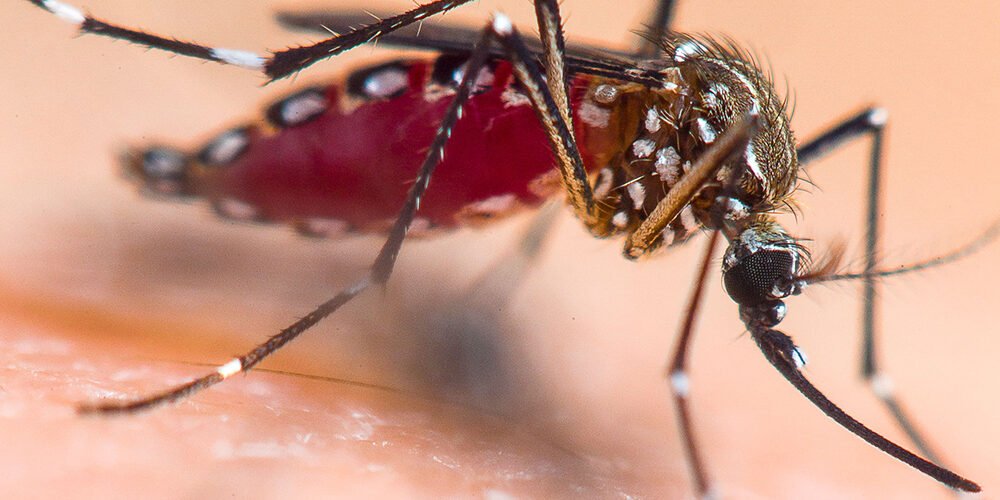
Mosquito-borne diseases are surging globally in 2025 — and the trend is especially worrying for densely populated regions across Asia, Africa, and Latin America. Among the most concerning threats are Dengue, Chikungunya, and Yellow Fever, all primarily spread by the Aedes aegypti mosquito.
Climate shifts, rapid urbanization, and increased global travel have created ideal conditions for mosquito populations to grow and spread. This means higher infection rates, more severe outbreaks, and new regions becoming vulnerable.
Here’s what hospitals, clinicians, and the general public must be prepared for in 2025.
1. Why Mosquito-Borne Diseases Are Increasing in 2025
1. Climate Change Is Expanding Mosquito Habitats
- Warmer temperatures allow mosquitoes to survive for longer months.
- Increased rainfall and humidity accelerate breeding.
- Regions previously too cold for Aedes mosquitoes are now reporting cases.
2. Urban Growth = More Breeding Grounds
Unplanned construction, water tanks, small puddles, AC outlets, and garbage areas create perfect breeding spots.
3. Post-Pandemic Immunity Gaps
Reduced exposure and slower vaccination programs during the pandemic years have led to lowered community immunity.
4. Global Travel Spreads Diseases Faster
International travel enables infected individuals to carry diseases across borders, triggering outbreaks in new areas.
2. Dengue in 2025 — The Most Explosive Threat
Dengue cases are rising sharply worldwide due to the circulation of multiple serotypes (DEN-1 to DEN-4). Reinfection with a different serotype increases the risk of Severe Dengue, which can be life-threatening.
Key Symptoms
- High fever
- Intense body and joint pain
- Red rash
- Vomiting
- Pain behind the eyes
- Low platelets
- Severe bleeding in advanced stages
Why 2025 Is Seeing Spike in Dengue
- Co-circulation of multiple serotypes
- High mosquito density in urban areas
- Climate-driven breeding cycles
- Poor water management in cities
3. Chikungunya — The “Long-Pain” Virus
Chikungunya is not usually fatal, but it causes severe joint pain that can last months or even years.
Symptoms
- Sudden high fever
- Swollen, painful joints
- Rash
- Fatigue
- Morning stiffness
Why Chikungunya Is Rising in 2025
- New mutations leading to longer-lasting pain
- Shared mosquito vector with Dengue (Aedes aegypti)
- Increased co-infection cases: Dengue + Chikungunya together
- Rapid transmission in crowded urban settings
4. Yellow Fever — A Global Watch Point
Although Yellow Fever is more common in Africa and South America, the changing global climate makes it a potential emerging risk for other continents as well.
Symptoms
- Fever
- Jaundice (yellowing of skin & eyes)
- Back pain
- Vomiting
- Bleeding in severe cases
- Liver failure in critical stages
What Makes Yellow Fever Dangerous
- High fatality rate
- Outbreaks can explode rapidly in urban settings
- Limited global vaccine coverage
- Risk of travel-related importation
5. Rise of Co-Infections in 2025 (Dengue + Chikungunya)
Both viruses are carried by the same mosquito species.
In 2025, hospitals are reporting a higher number of patients infected with both viruses simultaneously.
Co-infection leads to:
- Higher fever
- More dehydration
- Greater hospitalization needs
- Slower recovery
- Increased risk of complications
Clinicians need rapid testing and early differentiation protocols.
6. How Hospitals Can Prepare in 2025
1. Fever Clinics & Triage Units
Separate units for early screening reduce cross-infection and overcrowding.
2. Rapid Diagnostic Tests
- Dengue NS1
- IgM/IgG serology
- CBC + LFT
- Chikungunya IgM
3. Platelet & Hydration Management Protocols
Early treatment prevents shock and severe complications.
4. Community Awareness Programs
Hospitals must collaborate with local bodies for:
- Fogging
- Waste management
- Public messaging campaigns
- School & community awareness drives
5. Training for Healthcare Workers
Doctors, nurses, and lab technicians need updated guidelines for:
- Differentiating Dengue vs Chikungunya vs Yellow Fever
- Managing severe cases
- Early hospitalization indicators
7. What Individuals Should Do to Stay Safe
Prevention at Home
- Remove standing water every 2–3 days
- Use mosquito repellents (day + night)
- Use mosquito nets or screens
- Wear long sleeves
- Change water in flowerpots, AC trays, and coolers regularly
When to See a Doctor
- Fever lasting more than 24–48 hours
- Severe joint pain
- Vomiting
- Bleeding gums or nose
- Sudden drop in platelet count
- Yellow eyes or skin
Early diagnosis saves lives.
Conclusion
Mosquito-borne illnesses are no longer seasonal — they are a year-round threat in 2025.
With rising temperatures, evolving viruses, and expanding mosquito habitats, diseases like Dengue, Chikungunya, and Yellow Fever will continue to challenge public health systems.
The key to protection is:
Strong hospital readiness + Early diagnosis + Community-level prevention.
When hospitals, governments, and citizens work together, these threats can be managed — and lives can be saved.